Homeowners & self-builders
Explore your own ideas first.
Try layouts, rooms and rooflines before you meet an architect. Arrive with a model and drawings that show what you want, plus a clear list of questions for the professionals.
 Talos3D
AI design partner for buildings
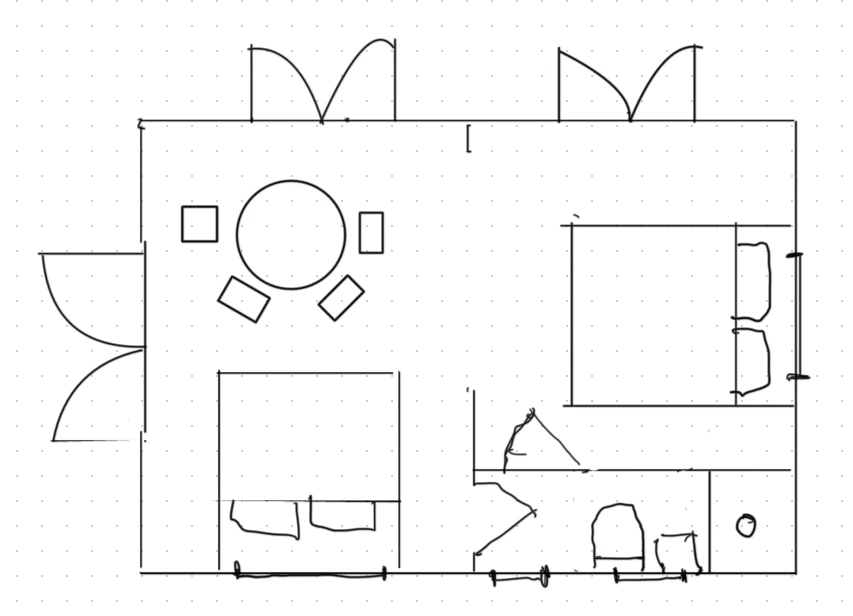
Describe what you have in mind with a sketch or a few sentences. Talos3D's design agent turns it into a real building model that you can explore, change and draw from. It knows a door from a wall and checks its own work. It also tells you plainly what is settled and what still needs a professional.
Who it's for
Homeowners & self-builders
Try layouts, rooms and rooflines before you meet an architect. Arrive with a model and drawings that show what you want, plus a clear list of questions for the professionals.
Architects
Test variants with the client in the room. Plans, elevations and sections keep up with every change, so your time goes into design, not redrawing.
Builders
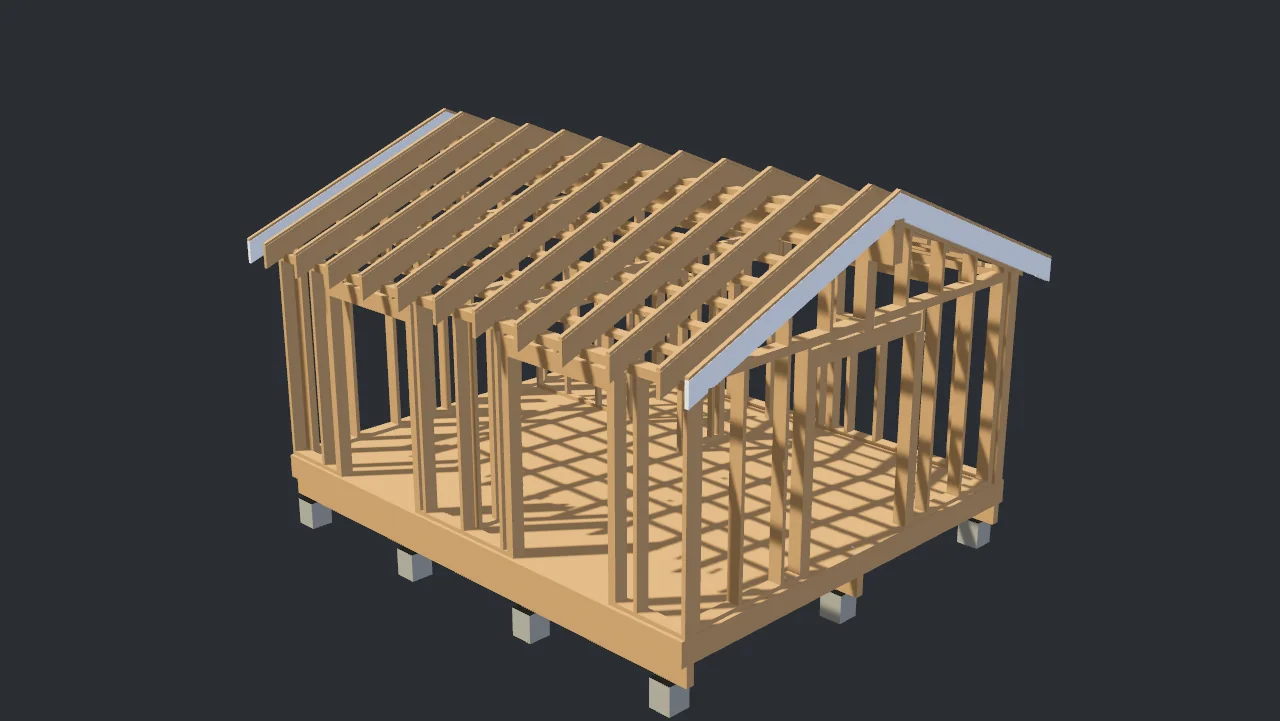
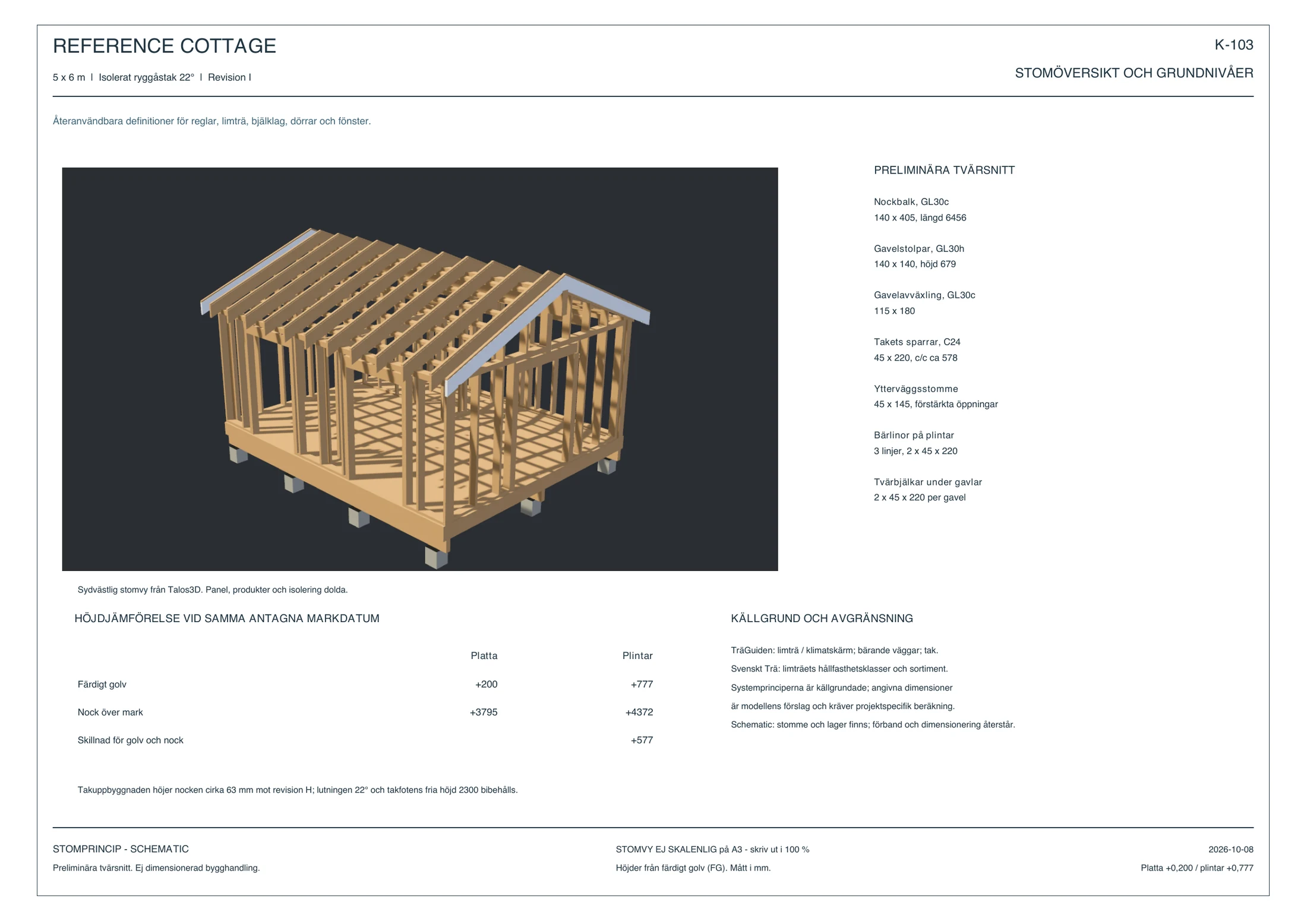
Framing, real door and window sizes and foundation alternatives sit in one model. The open engineering questions are listed up front, not discovered on site.
What makes Talos3D different
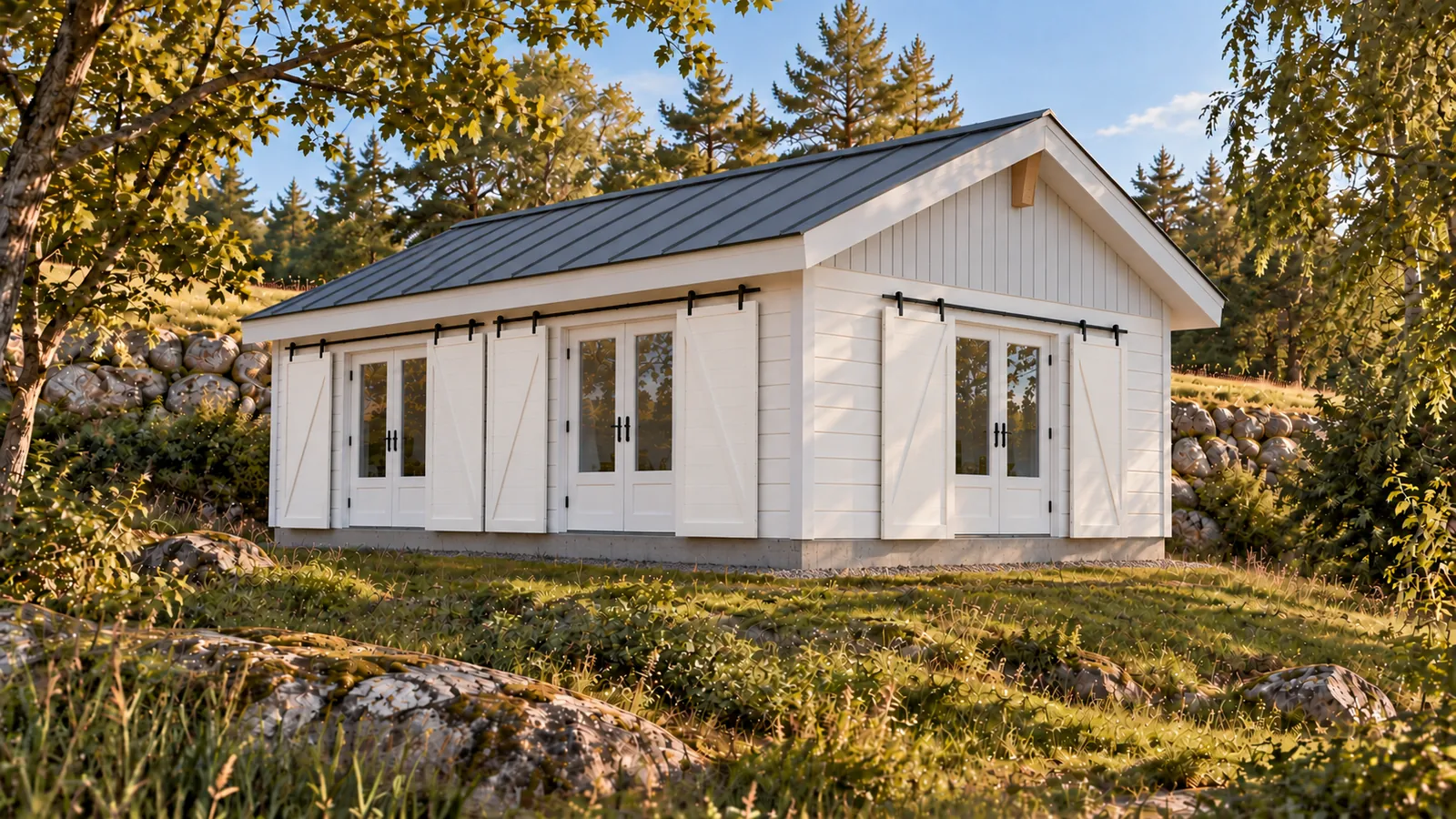
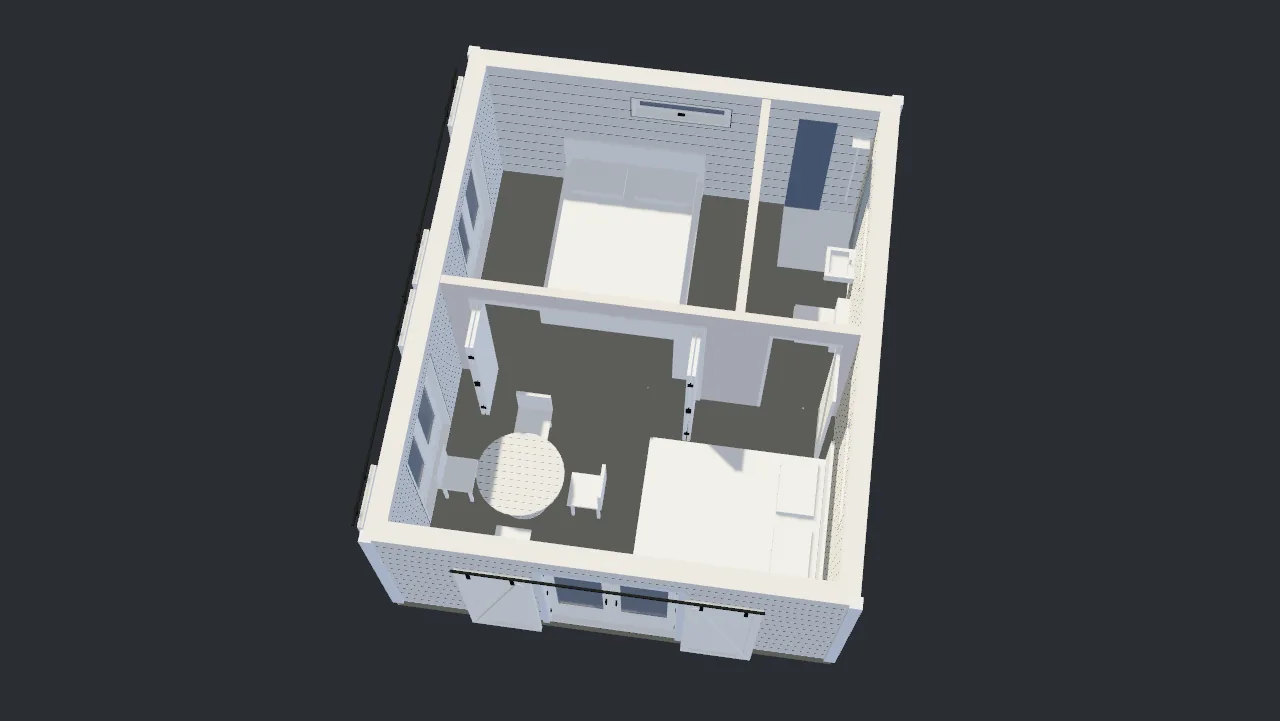
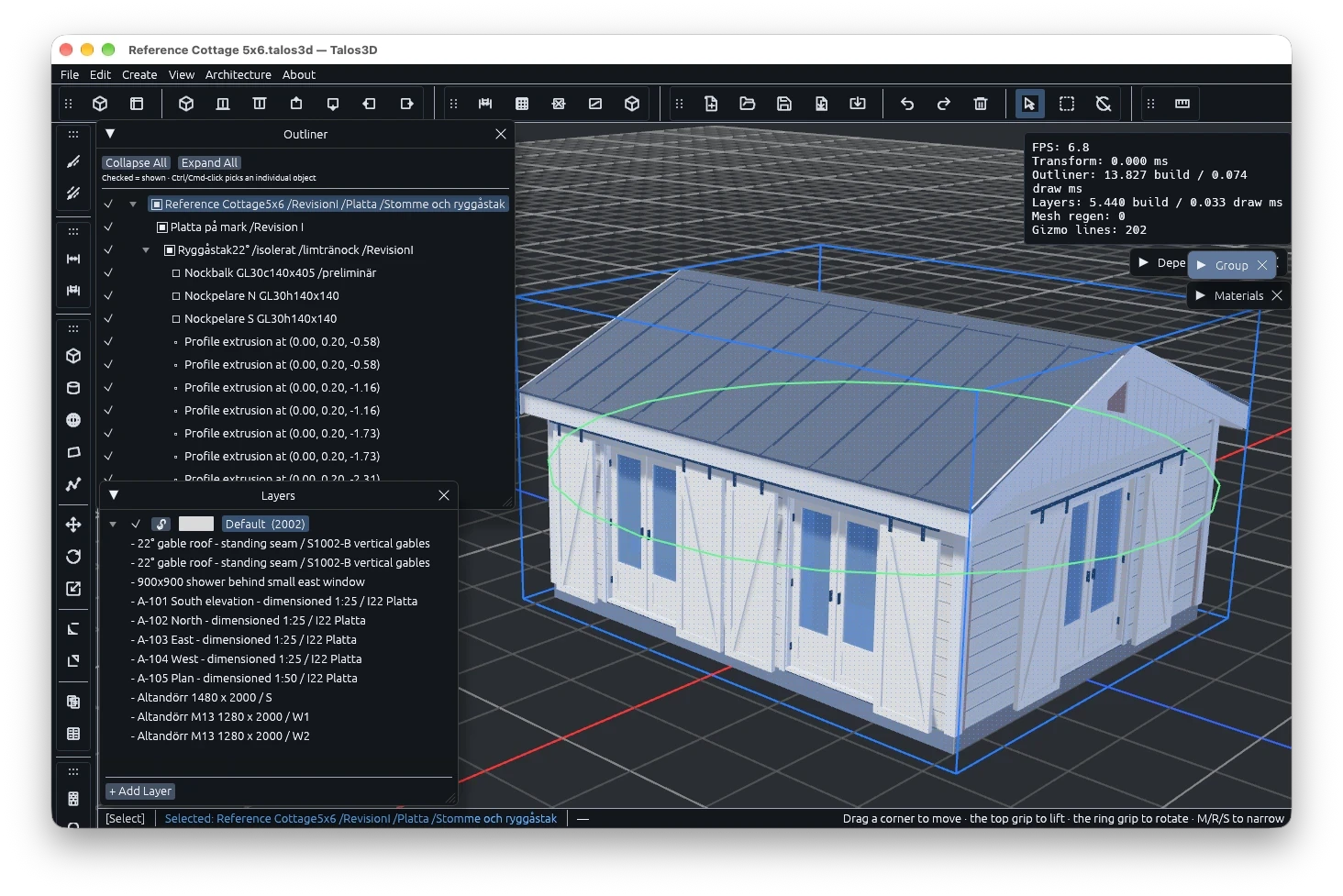
Most AI tools make pictures. Talos3D builds a real model of the building, where every wall, roof, door, window and stud knows what it is. That changes what an AI partner can do for you. Each point below was put to work in the Reference Cottage project.
Understands buildings
Every part of the model knows what it is and what it belongs to. Change one window type and every matching window follows.
The three high windows share one design. Resizing it updates all three.Real products
Openings are sized from manufacturers' catalogues instead of invented dimensions, so what you see is close to what you can order.
The patio doors and windows match a Swedish manufacturer's standard sizes.Checks its own work
After every change the agent measures and tests the result. Does the door clear the bed? Does the roof rest on its walls? Problems are caught in the model, not on site.
Every door swing was tested against the furniture, and all 32 structural contact points were checked.Honest about open questions
Every assumption says where it came from: your brief, a product catalogue or common practice. Anything that still needs an engineer or architect is listed openly, not guessed.
Snow loads, connections and footings are marked as open, so the drawings say proposal, not construction set.Grows with you
Start with rough volumes and add detail only when you are ready. You can change your mind at any point, even late, and the model keeps up.
The roof pitch dropped from 30° to 22° after the first drawings existed. Everything followed.Drawings included
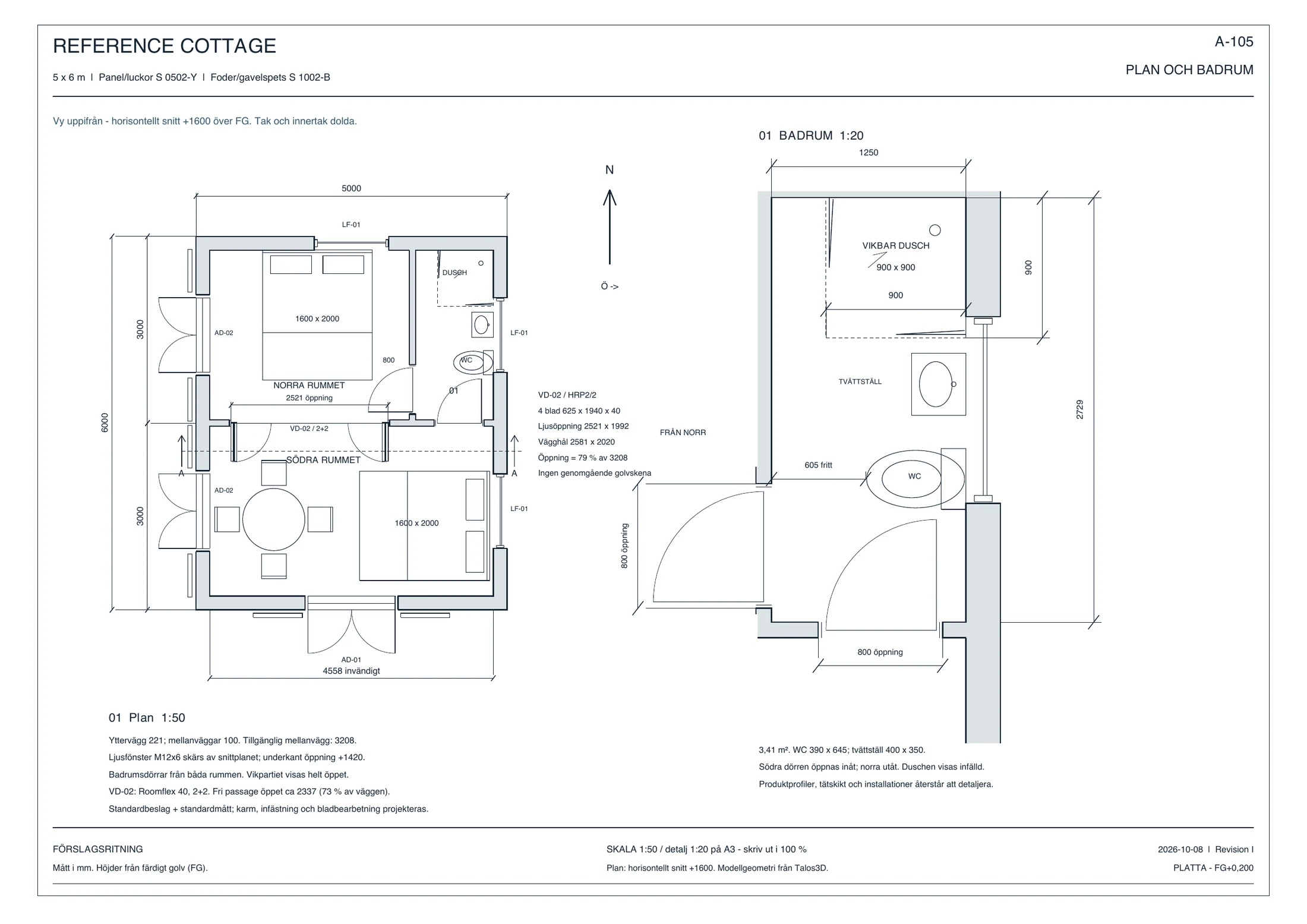
Plans, elevations, sections and schedules come from the same model, so they always reflect the latest change.
Eight A3 sheets, re-issued with every revision.How it works
You stay in charge of the design. Talos3D does the modelling, the checking and the drawing, and it keeps you informed about what is decided and what is still open.
Beta access
We are opening Talos3D to a small group of homeowners, architects and builders. Apply with your name and email, and we will write when a place opens.